

AI TodayGet the app

Automotive

Curated AI news · 24 stories

Energy & Climate

China’s electric taxis are blunting the Hormuz oil shock, but only at the margins

China's crude oil imports have dropped significantly, reaching the lowest levels since 2016 amid the Strait of Hormuz crisis. This decline is partly offset by the growing adoption of electric taxis and ride-hailing vehicles, which now make up a substantial portion of urban fleets, reducing petrol and diesel consumption. However, the impact of electric vehicles on China's overall oil import reduction is relatively small, accounting for about 3% of the risk posed by disrupted oil transit through a

Automotive

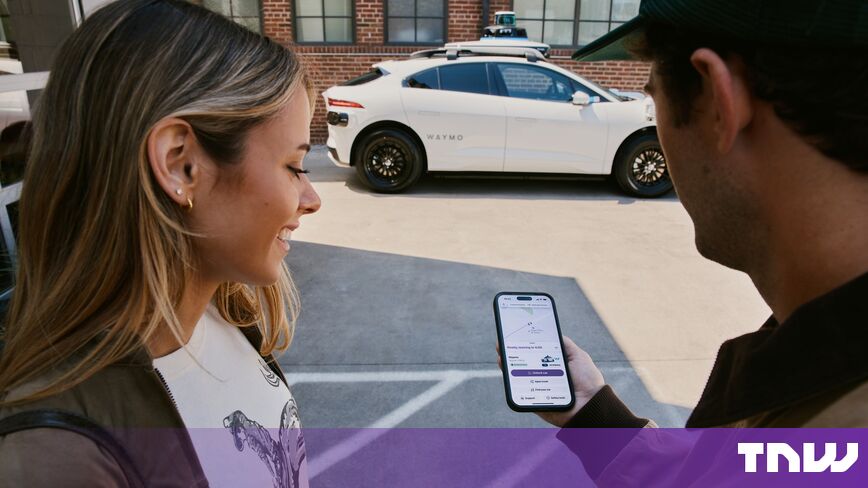
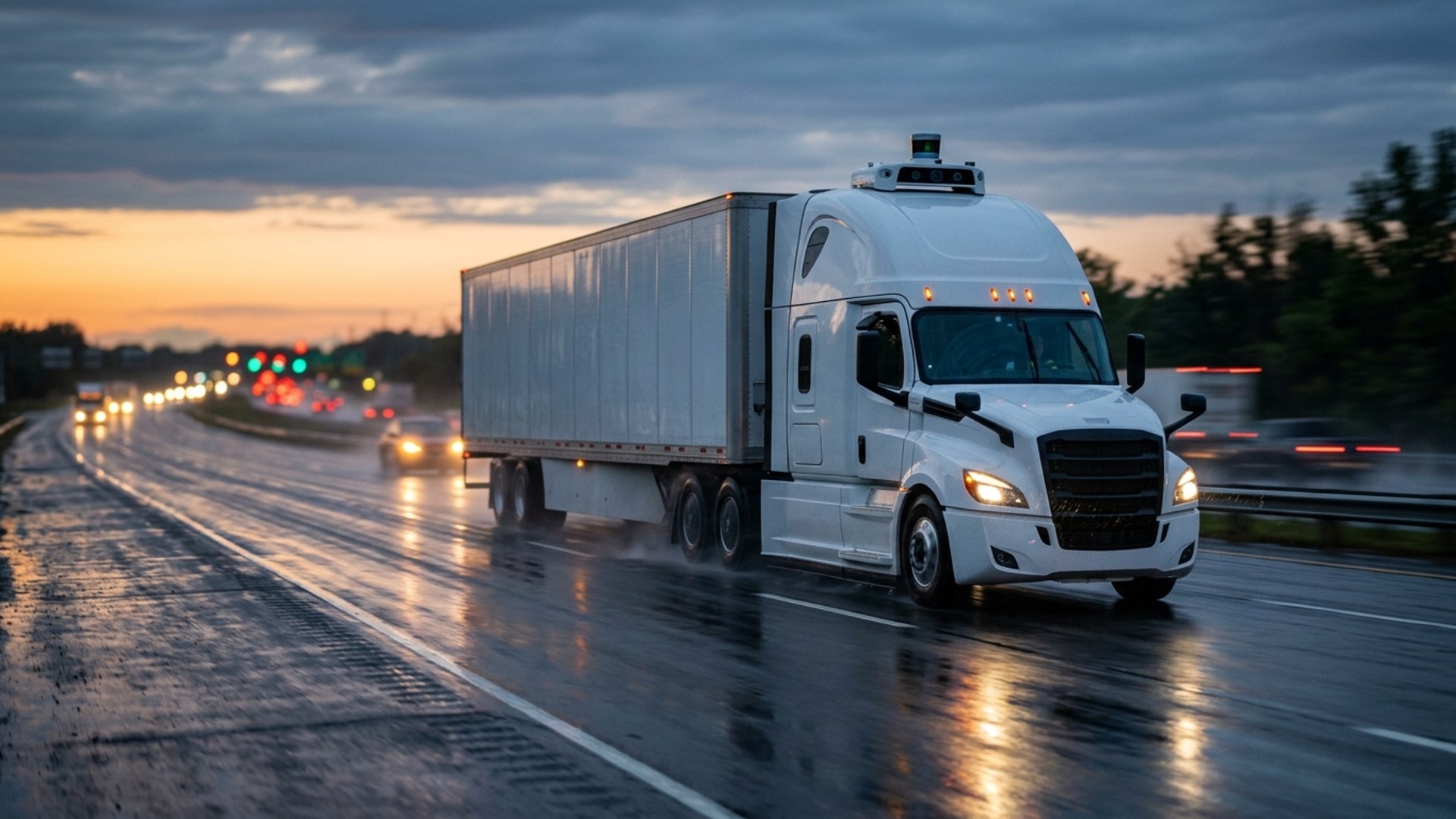
Uber lost the self-driving race. Now it wants to write the rules

Uber, having fallen behind in developing fully autonomous vehicles, is now lobbying in Washington DC and New Jersey to implement regulations requiring robotaxi services to operate alongside human drivers on a shared platform. This approach, termed a "hybrid network," would effectively position Uber as a gatekeeper for robotaxi services, a move criticized by competitors like Waymo and some policy experts as an attempt at regulatory control. Uber's product chief acknowledges the company is not vy­

Business & Enterprise

Uber’s product chief on hotels, robotaxis, and why the company doesn’t want to be ‘everything for everyone’

Uber is expanding beyond ride-hailing and delivery by integrating hotel bookings, boat rentals, and concierge shopping features into its app, focusing on travel-related services. The company is also developing autonomous vehicle data operations through its AV Labs unit to strengthen partnerships and maintain leverage in the self-driving vehicle space. Uber's Chief Product Officer discussed these initiatives along with financial services ambitions and the role of AI in enhancing user experience.

Automotive

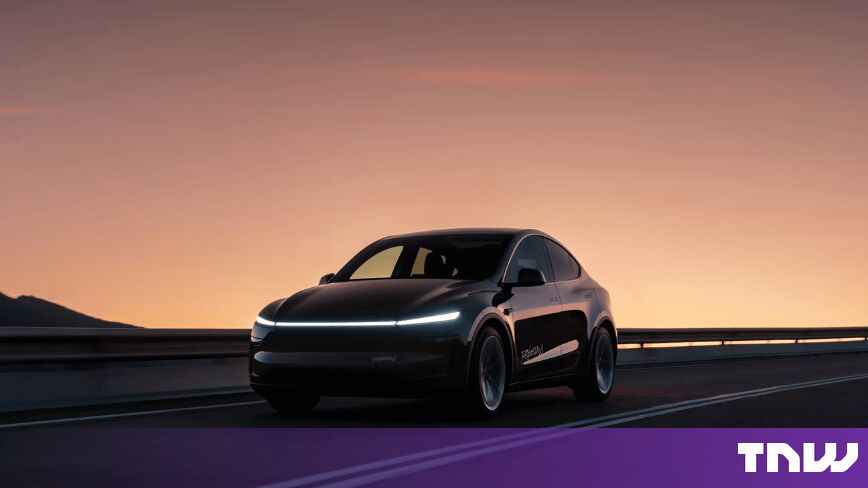
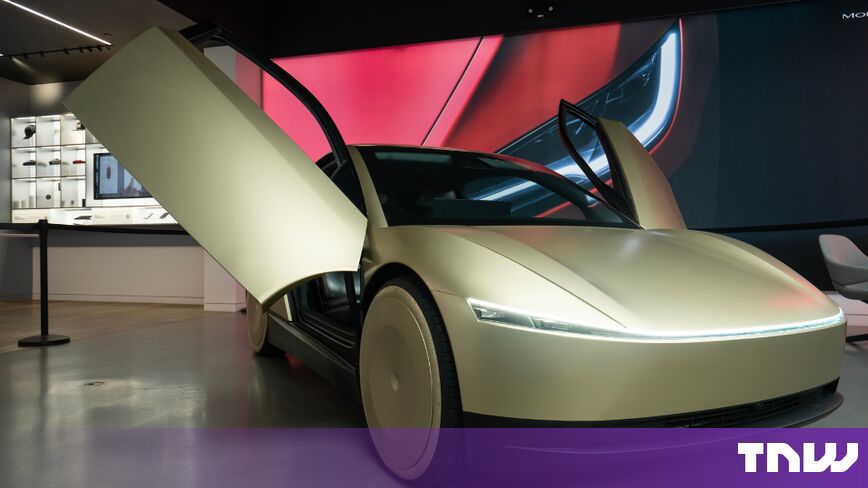
Tesla’s Cybercab drove across a car park, and the real news happened two days earlier

Tesla announced that rides in its Cybercab autonomous vehicle will begin soon at its Texas factory, accompanied by a video showing the vehicle driving itself across a parking lot. However, details such as route, fleet size, and whether the rides will occur on public roads remain unclear, and the Cybercab has not yet joined Tesla's existing robotaxi fleet. While Tesla has demonstrated manufacturing capability with many Cybercabs produced, software limitations and safety concerns continue to pose,

Machine Learning

Google’s big Waze AI update includes a button that makes the app shut up

Google has enhanced its Waze navigation app with new AI-driven features powered by Gemini, including voice-based destination search, personalized routing, a motorcycle-specific mode, and conversational map editing to engage the user community. Notably, the update introduces a "less chatty" mode that reduces voice prompts to minimize distractions, addressing a common user complaint. The motorcycle mode is initially launched in markets with high motorcycle usage, reflecting a strategic focus on ge

AI Research

Waze is getting a bunch of new AI-powered features

Google is enhancing its Waze navigation app by integrating its AI assistant, Gemini, to enable conversational voice commands for reporting traffic incidents and searching destinations. Additional updates include a less intrusive voice prompt mode, a Motorcycle Mode with optimized routing, and personalized route suggestions based on user history and traffic data. These improvements aim to provide a more customized and efficient driving experience without a complete AI overhaul of the app.

Automotive

Volkswagen will halve its model range, but stays silent on the 100,000 job cuts

Volkswagen plans to reduce its vehicle model lineup by up to 50% and cut production capacity to nine million units annually as part of a major restructuring amid financial challenges. While the company has not officially addressed job cuts, reports suggest CEO Oliver Blume aims to eliminate up to 100,000 positions and close four German factories, prompting union protests and board disputes. The company faces pressures from high costs, competition in China, and market shifts affecting its profit.

Automotive

The first flights of the US air-taxi program carried organs, not passengers

Beta Technologies conducted the initial flights of the US government's electric vertical takeoff and landing (eVTOL) air-taxi pilot program, transporting manufactured organs between Maryland and Virginia rather than passengers. The program, initiated by a Trump-era executive order, involves multiple projects across 26 states and focuses on integrating eVTOL aircraft into national airspace, with full certification expected around 2027-28. The choice to start with cargo flights highlights the need

Automotive

China just caught a rocket in a net, and SpaceX should be watching

China has successfully recovered the first stage of its Long March-10B orbital rocket using a novel net-based capture method, joining SpaceX and Blue Origin in achieving rocket booster reuse. While this marks progress in China's reusable launch capabilities, its rocket's payload capacity and satellite constellation size remain behind SpaceX's Falcon 9 and Starship programs. The development reflects ongoing competition in space launch technology and satellite networks.

Automotive

The US wants to delete the steering wheel. The EU wants a camera on your face

The US and EU have taken contrasting approaches to vehicle safety regulations. The US is considering removing manual controls like steering wheels from driverless cars, promoting fully autonomous vehicles, while the EU has mandated driver-monitoring cameras to ensure driver attention during journeys. These differing strategies reflect varying philosophies on the role of human drivers in vehicle safety.

Automotive

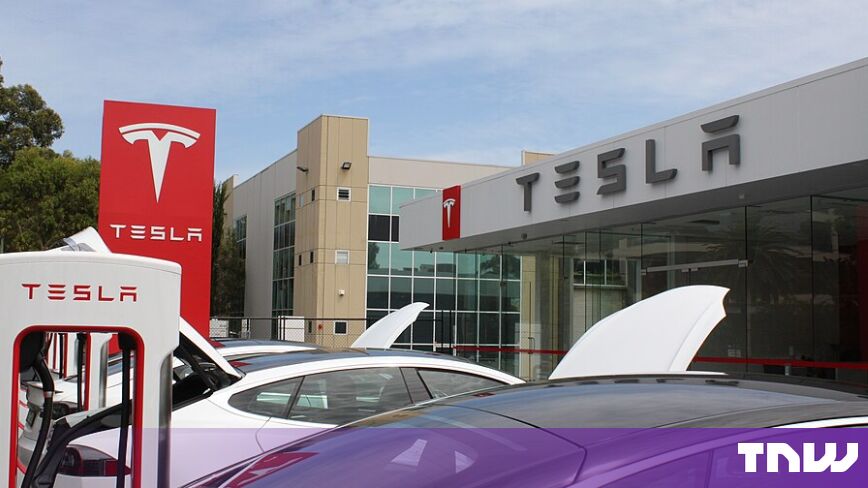
New Jersey could ban Tesla’s Robotaxi with one line about sensors

New Jersey is considering a bill that would require fully autonomous vehicles to be equipped with a camera system plus two additional sensing technologies, such as lidar and radar, effectively banning Tesla's camera-only Robotaxi unless hardware changes are made. The legislation also includes safety and testing requirements, restrictions on driving zones, and mandates clear consumer disclosures about the capabilities of partial automation systems like Tesla's Full Self-Driving.

Automotive

This EU-first robocar tests at 120 km/h, and uses no AI to drive

Aidoptation has received the first Level 4 permit in the European Union to test a fully self-driving car at highway speeds up to 120 km/h on Belgian public motorways. Their vehicle, a Maserati GranTurismo Folgore equipped with lidar, radar, and cameras, operates without AI by using deterministic models for decision-making, aiming to improve safety and regulatory transparency. Testing includes a human safety driver and is supported by local authorities and insurers, marking a significant step for

Automotive

Every new EU car now needs a camera that watches the driver

Starting July 7, 2026, all new cars and vans in the EU must include advanced safety features such as pedestrian- and cyclist-detecting emergency braking and a driver distraction warning system using a cabin-facing camera. These measures are part of the EU's phased General Safety Regulation aimed at reducing road deaths to near zero by 2050, though the in-cabin camera has raised privacy concerns. The regulation builds on earlier requirements like intelligent speed assistance introduced in 2024.

Automotive

Xiaomi unveils Sky Nomad, a boxy SUV series to chase China’s family-car money

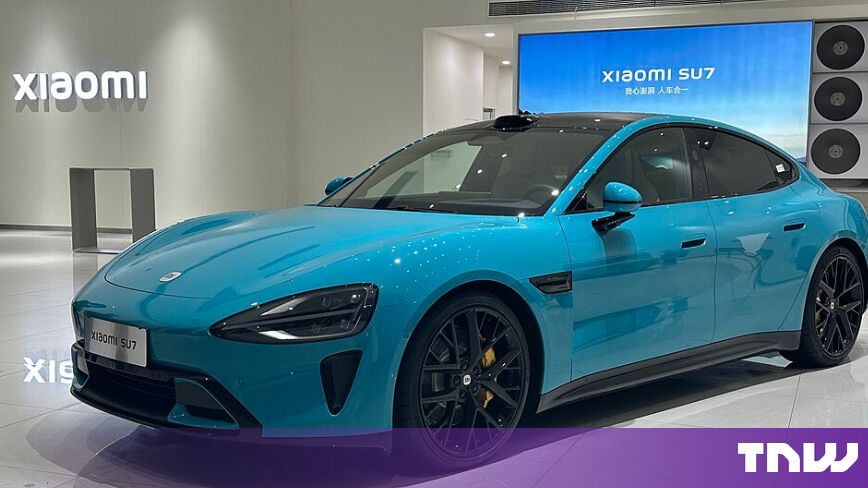
Xiaomi has introduced the Sky Nomad, a new boxy SUV series targeting China's family vehicle market, distinct from its previous sports-saloon models. The first model, the N90, is a large extended-range electric SUV featuring a flexible interior and advanced tech like a roof-mounted lidar, designed to serve as a versatile mobile living space. This move marks Xiaomi's expansion into China's most lucrative vehicle segment with a focus on practicality and adaptability.

Automotive

NHTSA demands autonomous vehicle companies fix first responder interference by end of July

The National Highway Traffic Safety Administration (NHTSA) has ordered autonomous vehicle developers to address issues where their vehicles interfere with first responders, such as blocking emergency scenes and failing to recognize signals like flashing lights and flares. The agency requires these companies to present solutions by the end of July, highlighting incidents involving vehicles like Waymo's robotaxis. While no specific penalties were detailed, NHTSA emphasized the seriousness of the問題

AI Research

UK tech secretary backs driverless cars as Burnham’s team gets cold feet

The UK’s science and technology secretary Liz Kendall advocates for supporting British AI startups and driverless car technology to maintain national technological sovereignty, highlighting companies like Wayve. There is a potential policy divide with the likely next prime minister Andy Burnham’s team, who express concerns about job losses from driverless vehicle rollouts. Kendall emphasizes government support for workers during transitions and underscores the importance of the UK’s position in

Automotive

Toyota moves some Tacoma output to Texas, and Trump claims the credit

Toyota plans to invest $3.6 billion to expand its San Antonio plant and gradually shift some Tacoma pickup production from Mexico to Texas over about four years, creating 2,000 jobs. While President Trump credited tariffs for this move, Toyota did not attribute the decision to tariffs and will continue manufacturing in Mexico. The announcement comes amid uncertainty over the USMCA trade agreement and ongoing shifts in automotive manufacturing policies.

Automotive

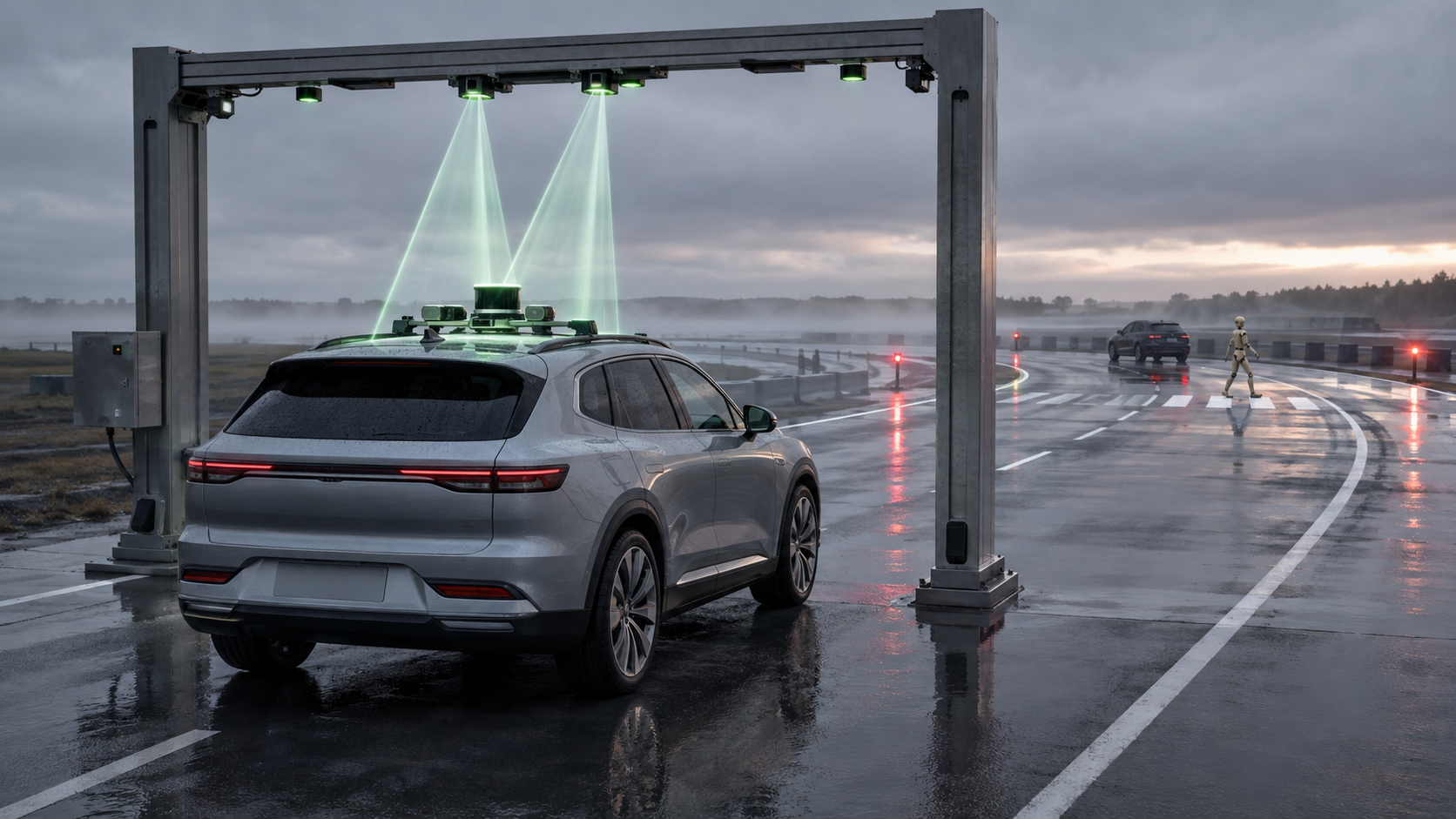
The Pentagon calls this Chinese firm a military company. Its lidar runs US robotaxis anyway

Hesai, a Chinese lidar manufacturer labeled by the US Pentagon as a military company, supplies sensors widely used in American autonomous vehicles and infrastructure despite being blacklisted from Pentagon contracts. The company holds a significant share of the global automotive lidar market, partnering with firms like Nvidia and Amazon's Zoox, while concerns about security vulnerabilities and Chinese state influence persist. This situation highlights tensions between reliance on affordable, key

Automotive

Automotive requirements management in 2026: 7 solutions compared

The article compares seven automotive requirements management tools, highlighting their suitability for various supplier and OEM needs in managing complex, safety-critical vehicle development requirements. It emphasizes the importance of traceability, compliance with standards like ISO 26262 and ASPICE, and interoperability across diverse supply chain toolchains. Each tool is recommended based on factors such as budget, integration capabilities, software focus, and team size.

Energy & Climate

Beyond wires and batteries: Voltify’s new model for freight rail electrification

Voltify proposes a new approach to freight rail electrification that avoids the high costs of full network electrification and the range limits of battery-only locomotives. Their model uses a combination of battery-electric locomotives and strategically placed high-power charging segments along the tracks to recharge trains in motion, supplemented by static depot charging. This method aims to reduce emissions and operational challenges without rebuilding the entire rail infrastructure.

Automotive

Japan’s Turing takes AMD money and AMD chips to loosen Nvidia’s grip

Japanese startup Turing Inc. is shifting some of its AI self-driving car development from Nvidia to AMD hardware, supported by investment from AMD Ventures, aiming to reduce costs and diversify suppliers. Despite entering the market later than competitors, Turing plans to deploy its self-driving software in consumer vehicles and robotaxis by 2028, emphasizing gradual technology adoption aligned with car model cycles. The move reflects broader industry efforts to find alternatives to Nvidia's GPU

Automotive

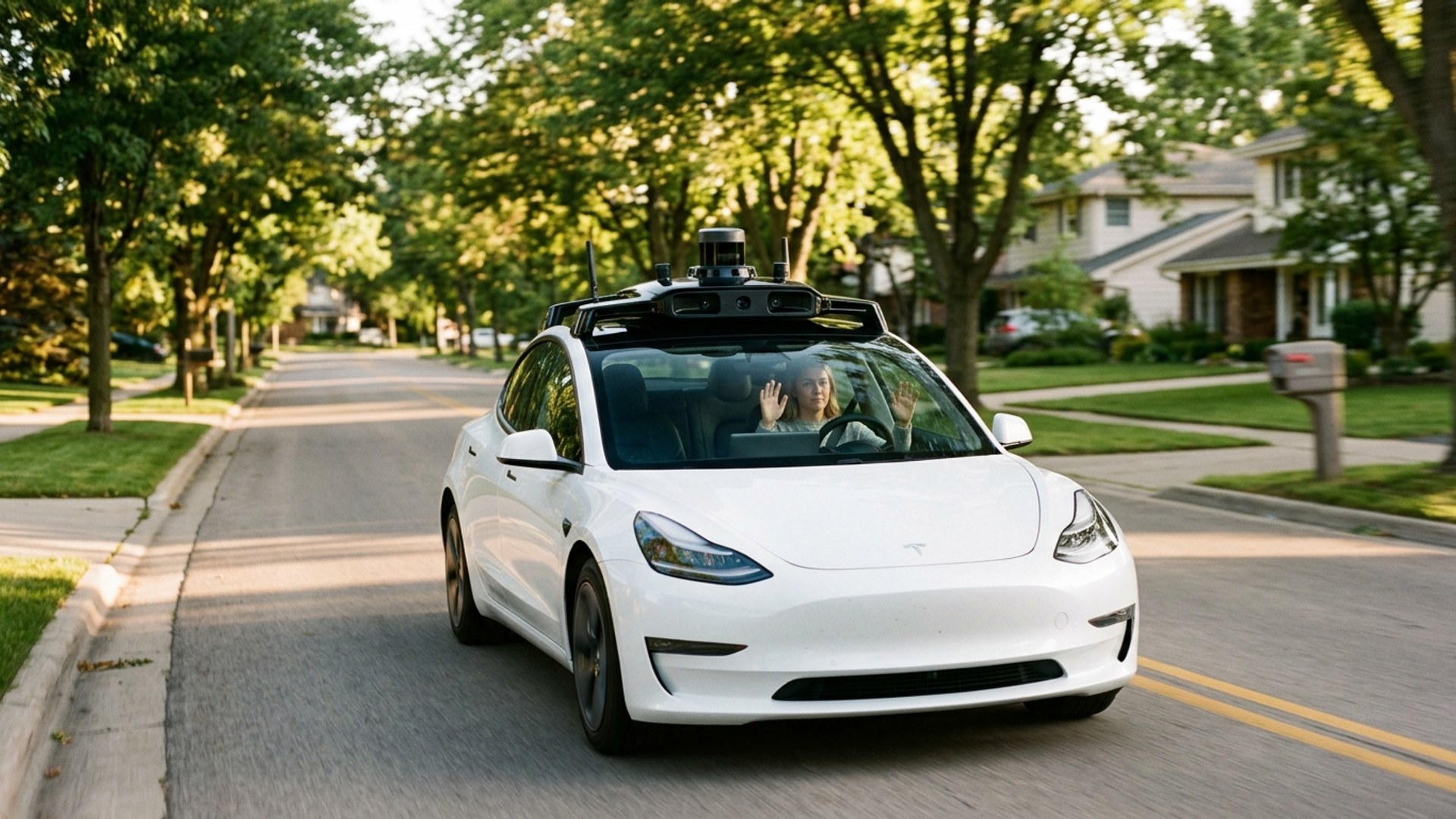
Tesla brings its Robotaxi to Miami, and drops the safety monitor

Tesla has launched its Robotaxi service in a limited area of Miami without a human safety monitor in the vehicle, marking a new level of confidence in its driverless technology. This follows similar phased rollouts in other cities and positions Miami as a competitive hub for autonomous taxi services alongside companies like Waymo and Zoox. Tesla aims to expand this service to multiple states by the end of the year, though regulatory scrutiny and past safety incidents remain challenges.

Automotive

The Chevy Silverado EV is one of the best electric trucks ever built, so why is nobody buying it

Despite strong reviews and a 410-mile range, the Chevrolet Silverado EV sold only about 14,000 units in 2025, significantly lagging behind its gasoline counterpart. Challenges such as reduced range when towing, high prices, and the expiration of federal tax credits have contributed to declining demand and GM's suspension of next-generation electric truck development. The situation highlights broader issues in the American electric truck market, where consumer concerns about utility and cost are,