AI TodayGet the app

Energy & Climate

Curated AI news · 24 stories

AI Research

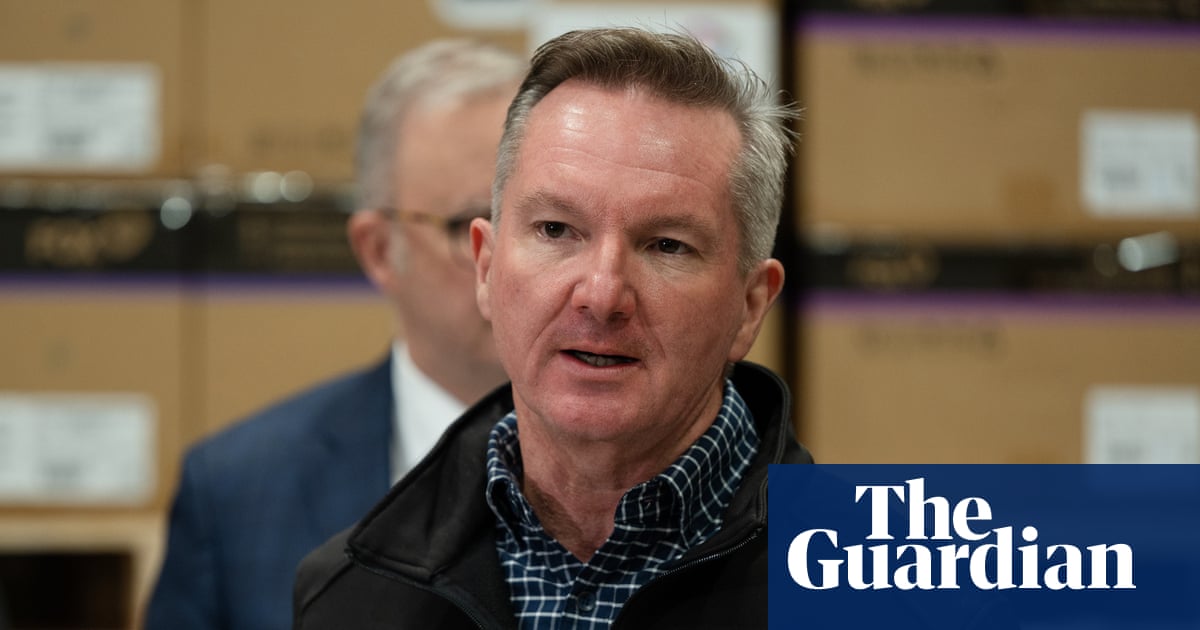
Australia tells AI data centres to put back more power than they take out

Australian Prime Minister Anthony Albanese announced plans for an Office of AI and new standards requiring large AI data centers to contribute more electricity to the grid than they consume, emphasizing renewable energy investment and infrastructure costs. He also stressed that Australian creative works are not free for AI training without proper rights and compensation, though no legal enforcement mechanisms were detailed. These policies aim to balance AI industry growth with energy, water, and

Energy & Climate

China’s electric taxis are blunting the Hormuz oil shock, but only at the margins

China's crude oil imports have dropped significantly, reaching the lowest levels since 2016 amid the Strait of Hormuz crisis. This decline is partly offset by the growing adoption of electric taxis and ride-hailing vehicles, which now make up a substantial portion of urban fleets, reducing petrol and diesel consumption. However, the impact of electric vehicles on China's overall oil import reduction is relatively small, accounting for about 3% of the risk posed by disrupted oil transit through a

AI Research

New York Becomes First State to Ban AI Data Centers

New York State has enacted a one-year moratorium on the construction of new large-scale AI data centers with electrical capacities of 50 megawatts or more, marking the first such ban in the US. This move aims to address environmental concerns such as pollution, water usage, and electricity costs, while state regulators will develop stringent standards and conduct environmental impact assessments for future data center projects. The decision reflects growing political and public scrutiny of AI's,

AI Research

New York becomes first state to impose one-year pause on new AI datacenters

New York has become the first US state to impose a one-year moratorium on new large datacenters, specifically those with electrical capacity over 50 megawatts, to address concerns about environmental impact and rising utility costs. The pause will allow regulators to develop standards related to energy use, water consumption, and other factors. This move reflects growing national opposition to datacenter projects due to their potential effects on local communities and resources.

Energy & Climate

New York State halts construction of all new data centers

New York State has issued a temporary halt on approving permits for new large data centers of 50 megawatts or more, pending an environmental review expected to take about a year. This executive order aims to address concerns about utility costs, water supply, noise pollution, and local zoning, and is part of broader legislative efforts to regulate data center construction amid growing infrastructure strains. New York is the first state to implement such a moratorium, reflecting increasing public

AI Research

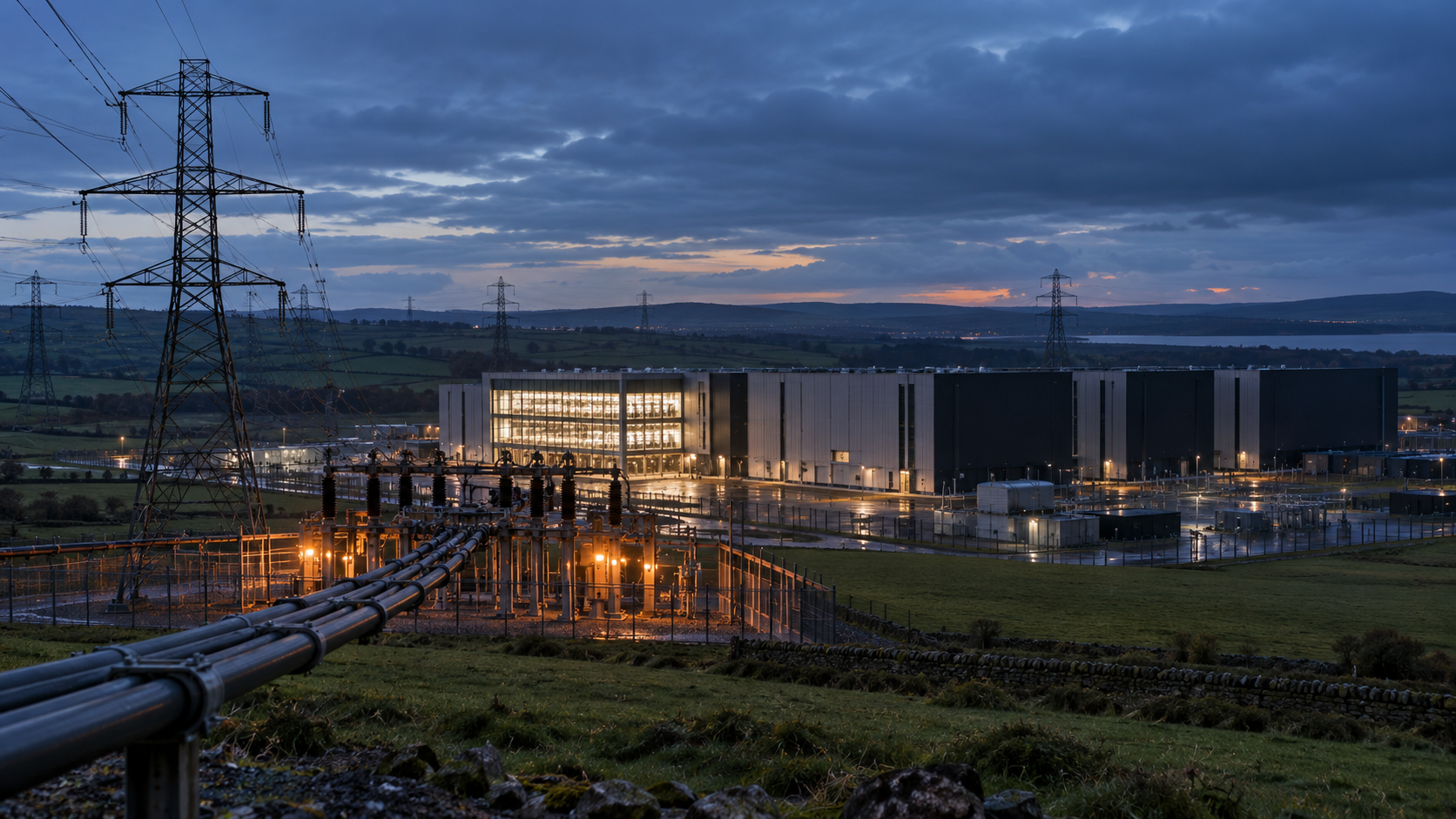
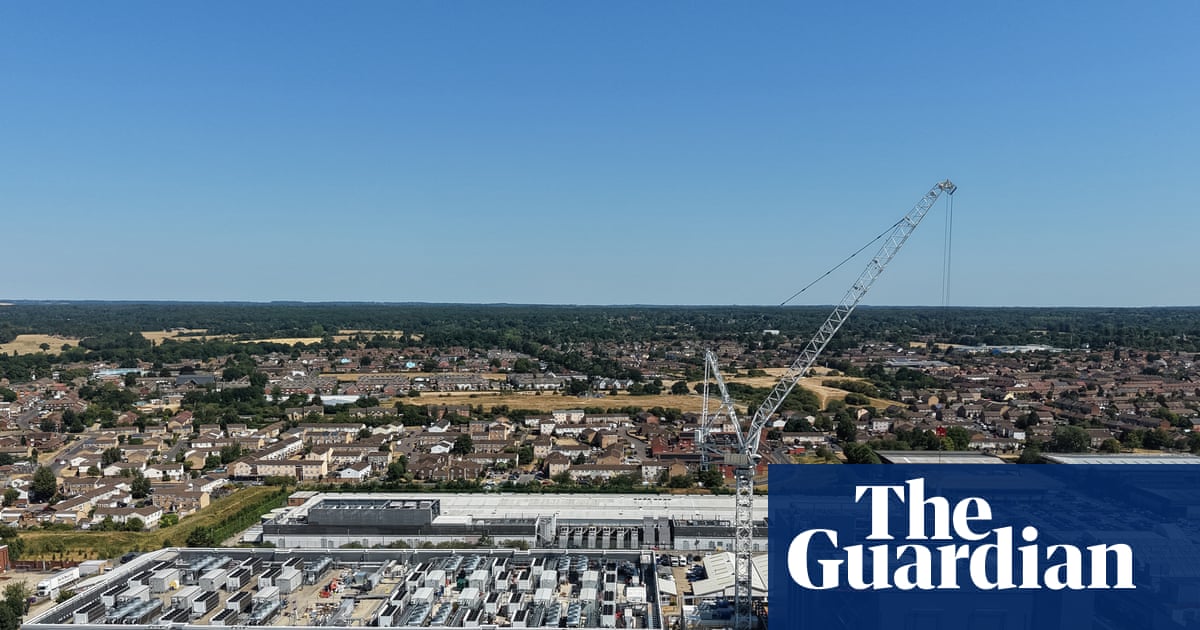
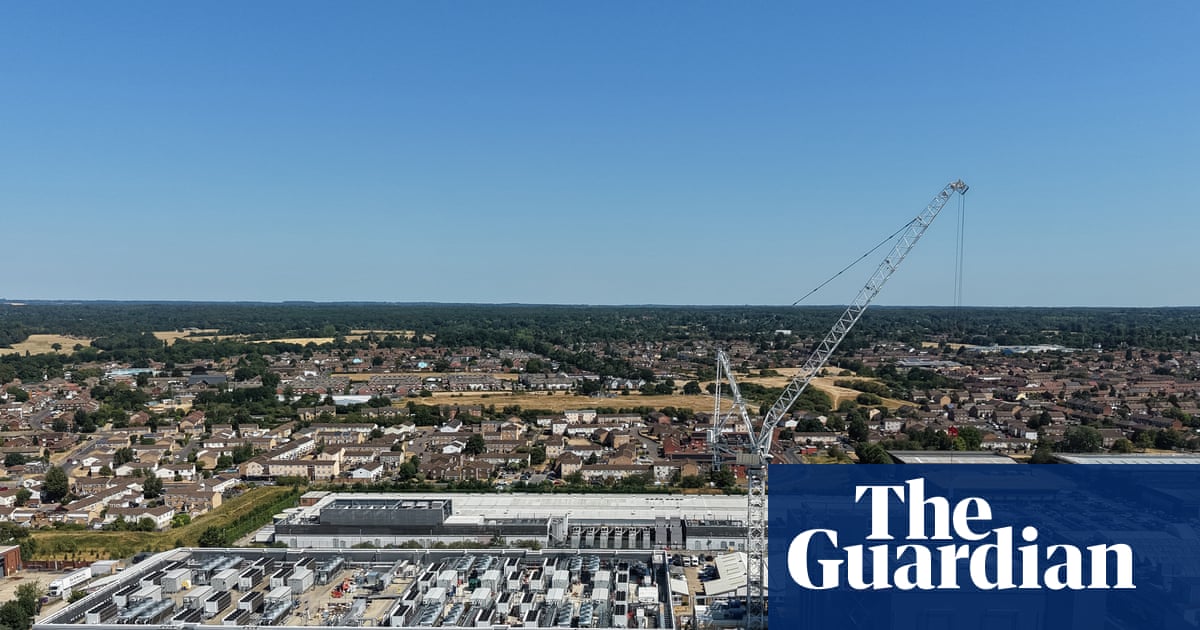
Britain’s flagship AI data centre can’t get the power to switch on

Britain's ambition to become an AI superpower faces challenges as a major £2bn AI data centre in Essex, backed by Nvidia and with Microsoft as a tenant, cannot get timely electricity supply despite having planning permission and a grid connection. The delay is due to national grid capacity issues causing long waits for power connections, prompting data centres to consider off-grid solutions like on-site gas generation, which conflicts with the government's clean energy goals. This power bottlene

AI Research

Microsoft promised to be carbon negative. Its emissions just jumped 25%

Microsoft aimed to be carbon negative by 2030 but reported a 25% increase in greenhouse gas emissions over the past year, largely due to the rapid expansion of AI data centers. While the company has improved energy efficiency and matched its electricity use with renewable sources, the growth in emissions reflects both real increases and more accurate accounting methods. This highlights the challenge of balancing technological growth with sustainability goals in the tech industry.

Energy & Climate

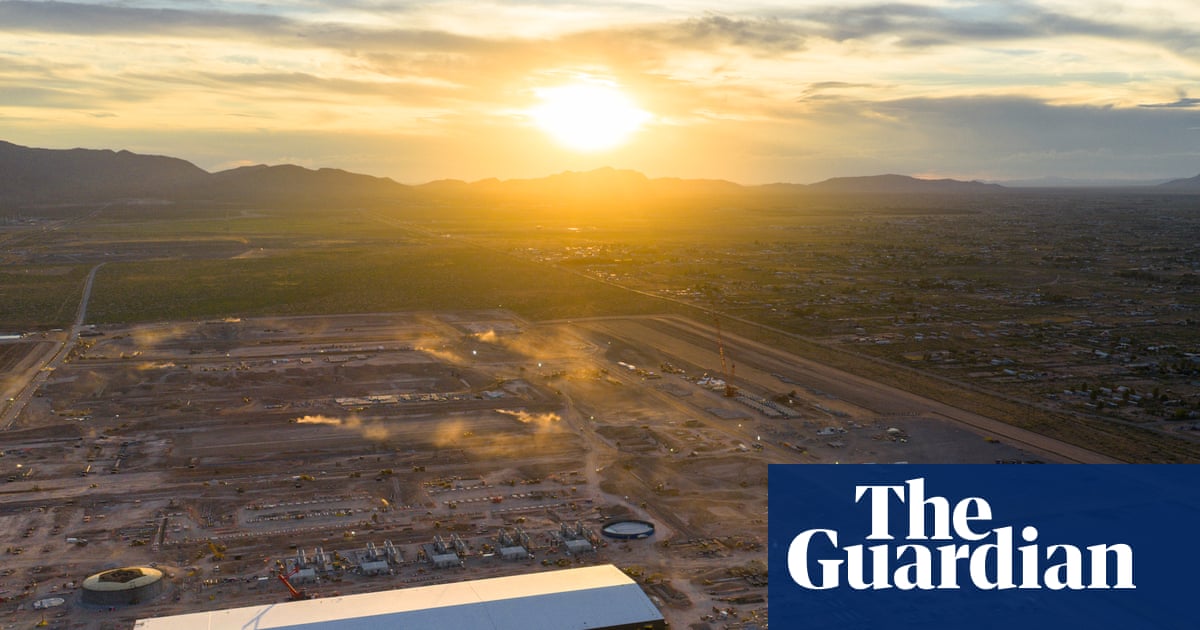
xAI is running 59 unpermitted gas turbines, twice what it has admitted

Emails reveal that xAI is operating 59 gas turbines without federal clean air permits, which is double the number the company has publicly admitted. Most of these turbines are located in Southaven, Mississippi, near a predominantly Black community, and their emissions potentially exceed federal thresholds requiring permits. Mississippi regulators have issued permits for some turbines, but the unpermitted ones remain a concern due to their environmental impact.

Energy & Climate

New York freezes new data centres for a year, the first US state to pull the brake

New York State has imposed a one-year moratorium on the construction of new large data centers drawing 50 megawatts or more, citing concerns over rising utility bills, water depletion, and local impacts. During this pause, the state will develop environmental standards for data centers, and the governor plans to pursue legislation to remove their sales tax exemptions. This move precedes the signing of a related legislative bill and aims to manage the rapid growth of energy-intensive data centers

Energy & Climate

Huawei Digital Power now rivals Tesla’s energy division in revenue

Huawei's Digital Power division, which produces solar inverters, battery storage, and EV charging equipment, generated 68.7 billion yuan in revenue in 2025, comparable to Tesla's energy division revenue of $12.77 billion. Despite similar size and growth, Huawei's energy business receives far less public attention, partly due to its private ownership and focus on markets outside the US and Europe, such as Brazil. The division accounts for about 8% of Huawei's total revenue, highlighting its role,

Public Sector

New York becomes the first state to enact a data center moratorium

New York Governor Kathy Hochul has signed a statewide moratorium halting new permits for large data centers over 50 megawatts for up to a year, aiming to address environmental and energy concerns. This executive action precedes a pending bill that could impose stricter limits, as the state develops regulations to manage data center impacts on resources and utility costs. The move positions New York as the first state to pause large-scale data center expansion amid rising demand driven by AI and,

AI Research

Masayoshi Son says AI will cost $5tn a year by 2040, and calls bubble talk absurd

Masayoshi Son, SoftBank's CEO, projected that AI development will cost $5 trillion annually by 2040, arguing that such spending is justified given AI's potential to constitute 20% of global GDP. He dismissed concerns about an AI bubble and highlighted SoftBank's significant investments in AI, including over $60 billion in OpenAI. Son also forecasted that AI data centers will require energy consumption far exceeding current global levels, anticipating nuclear fusion as a future energy source.

Energy & Climate

The White House’s next AI energy pledge targets the utilities

The White House is organizing an upcoming event to encourage electric utilities, Big Tech data center operators, and state governors to voluntarily pledge that the costs of AI-related energy infrastructure will not be passed on to household electricity bills. This initiative builds on a previous voluntary pledge signed by major tech companies, aiming to involve utilities and regulators who control retail electricity rates. Despite being voluntary and non-binding, the pledge seeks to address the

AI Research

France thinks cheap power is its AI edge. Now it must decide who plugs in

France views its abundant and low-cost nuclear electricity as a strategic asset for developing artificial intelligence, given the high energy demands of AI data centers. A debate has emerged over whether this electricity should primarily support domestic and European AI companies or be sold to large American firms establishing data centers in France. The government and state utility EDF are considering measures to reserve a portion of power capacity for European players amid significant foreign,

Energy & Climate

AI has triggered the biggest gas-plant building boom in history, and a quiet fight to stop it

The rapid expansion of AI data centers has led to an unprecedented surge in natural gas power plant construction and extended operation of coal plants, as renewable energy sources cannot be deployed quickly enough to meet demand. Several states are enacting laws to require data centers to meet renewable energy targets, but meeting these goals remains challenging amid rising electricity costs. Regulatory efforts are also focusing on allowing large power users to generate their own clean energy to

AI Research

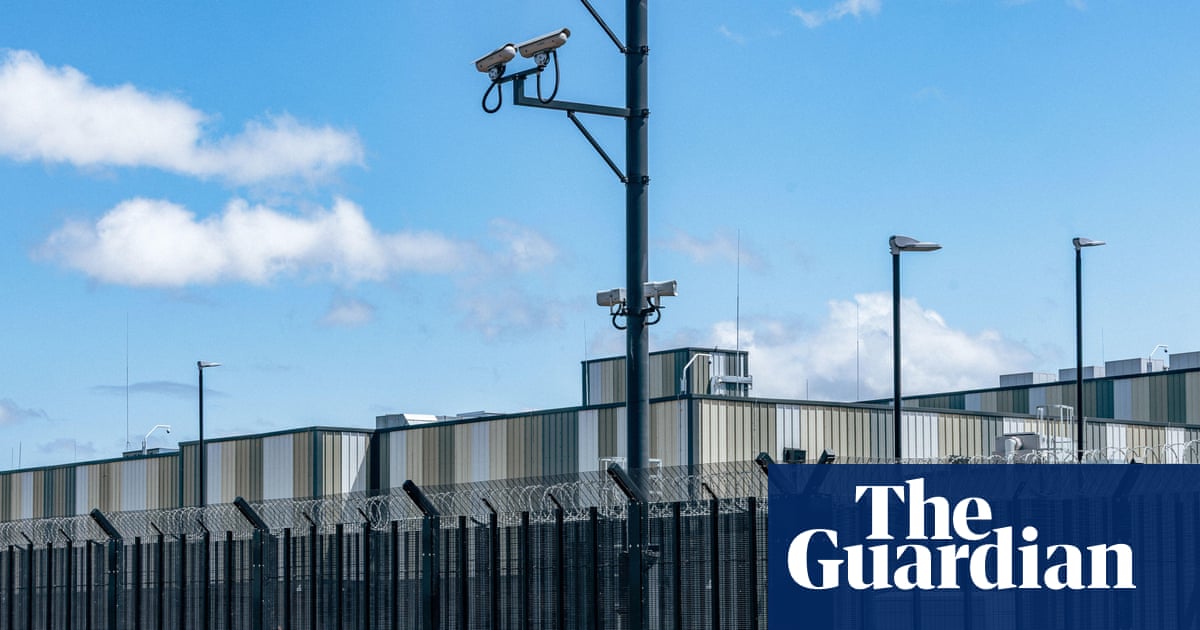
‘These are some of the most complex structures ever created’: how tech reporting moved into the physical world

Tech reporting has increasingly involved on-the-ground investigations into the physical infrastructure supporting AI, such as datacentres and energy facilities. Journalists are examining the feasibility and environmental impact of these projects by visiting sites, reviewing documents, and engaging with local communities to assess the real-world implications of AI development. This shift highlights the growing intersection between technology, energy, and environmental reporting.

AI Research

Datacentres drive up big tech’s carbon emissions to a third of those of France

Microsoft, Amazon, and Google's combined carbon emissions rose by nearly 20% in the past year, reaching 119 million metric tonnes of CO₂ equivalent, largely due to increased datacentre construction to support AI and cloud services. This level of emissions is about one-third of France's total, highlighting the environmental impact of expanding digital infrastructure. Experts note that while these companies promote sustainable cloud services, the growth in AI and data storage shifts carbon burdens

AI Research

‘AI accountability agenda’: US senator unveils package of bills to curb tech’s harms

US Senator Ed Markey has introduced a comprehensive package of bills aimed at regulating artificial intelligence to mitigate its negative impacts, including environmental harm from datacenters, workplace surveillance, algorithmic bias, and economic inequality. His proposed legislation includes federal certification requirements for AI datacenters to ensure they do not harm public interests, with evaluations covering environmental and economic factors. Markey emphasizes the need for swift, broad,

AI Research

‘A lot of red flags’: plans for New Zealand’s first datacentre spark concern as locals demand greater transparency

A Singapore-based company, Datagrid, has received approval to build New Zealand's first AI datacentre near Invercargill, expected to be operational by 2028 and to consume significant electricity and water resources. While local authorities highlight job creation and infrastructure benefits, residents and experts express concerns about environmental impacts, transparency, and limited long-term economic advantages for the community. The project has sparked debate over resource use and the adequacy

Energy & Climate

Microsoft’s carbon emissions went up 25 percent last year

Microsoft's 2026 sustainability report reveals a 25% increase in carbon emissions in 2025, primarily due to expanded datacenter infrastructure and changes in renewable energy purchasing. The company acknowledges challenges in scaling sustainability solutions to meet the rising demands of AI infrastructure, continuing a trend of setbacks toward its goal of being carbon negative by 2030. Similar emission increases were reported by other tech giants like Google and Amazon.

AI Research

AI’s land rush is reaching Native American reservations

The rapid expansion of AI data centers is leading developers to seek land on or near Native American reservations due to available resources and tax benefits. While some tribes and the Department of Energy view these projects as economic opportunities, activists raise concerns about environmental impacts, opaque negotiations, and potential exploitation. This situation reflects a broader national debate over data center development and its effects on local communities.

Energy & Climate

The Pollution Being Churned Out by AI Data Centers Is So Severe That It’s Almost Incomprehensible

The rapid expansion of AI data centers in Texas, powered largely by fossil fuel-based onsite gas plants, is generating significant pollution and contributing substantially to carbon emissions. Regulatory loopholes allow these facilities to obtain permits with minimal scrutiny, leading to a proliferation of backup diesel generators and toxic emissions. This growth poses serious environmental challenges amid the ongoing climate crisis, with projections indicating a large carbon footprint from the

AI Research

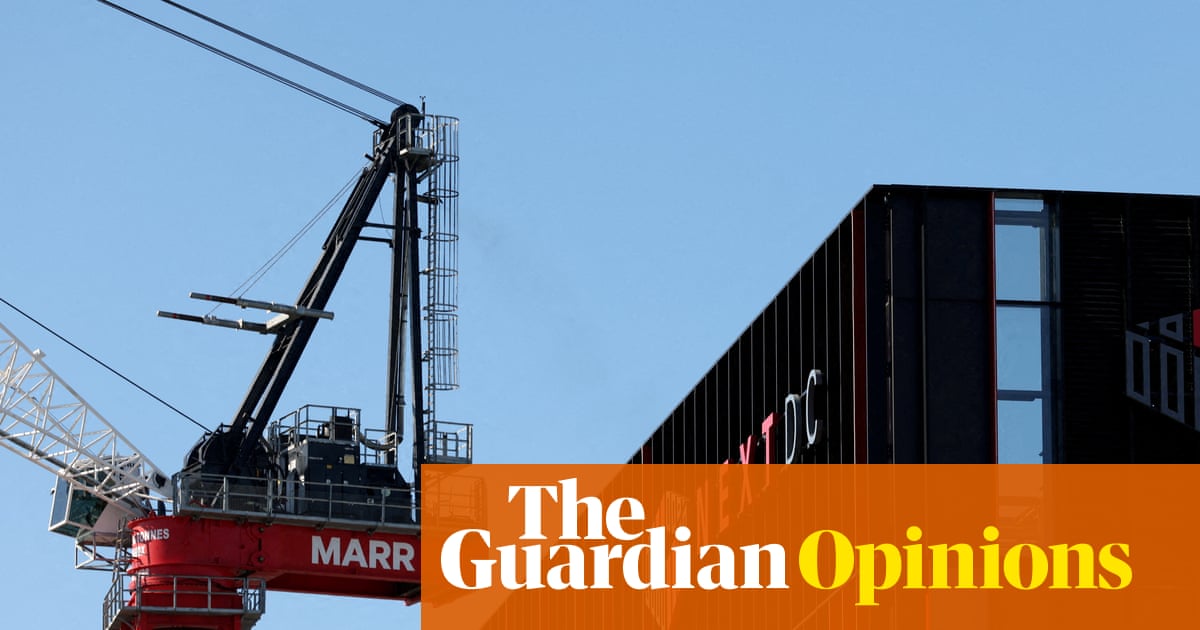
The fight against AI data centers is important – but it’s just a starting point | Bruce Schneier and Nathan E Sanders

Opposition to AI datacenters in the US arises from concerns about local resource use, environmental impact, and limited job creation, particularly affecting lower-income communities. However, focusing solely on datacenters may distract from broader issues such as the concentration of power among AI companies and their influence on politics and industries. The article argues that while datacenter debates are important, the larger challenge lies in addressing AI's widespread societal and economic,