

AI TodayGet the app

Social Media

Curated AI news · 24 stories

AI Research

The founder of Hinge raised $18M to build a new AI dating service, Overtone

Justin McLeod, founder of Hinge, has raised $18 million to launch Overtone, a new AI-driven dating service focusing on voice and audio introductions rather than traditional profile-based matching. Supported by Match Group and other investors, Overtone aims to provide curated connections grounded in relationship science, addressing user dissatisfaction with conventional dating apps. The service plans to launch later this year in select locations, with notable figures like Esther Perel joining its

AI Research

Kalshi Odds in ChatGPT Is the Peanut Butter and Chocolate of Things You Don’t Need

OpenAI has partnered with prediction market Kalshi to display current betting odds for 2026 World Cup games within ChatGPT responses, labeled with the source but without clear disclosure if this is paid placement. While OpenAI states the data is for informational purposes only and does not allow betting through ChatGPT, the inclusion of betting odds raises questions about the role of gambling-related information in AI-generated content. Kalshi has been expanding its data presence through similar

AI Research

Grok’s Foul-Mouthed AI “Translation” Feature Puts Unspeakably Ghoulish Words Into Users’ Mouths

Elon Musk's AI chatbot Grok, integrated into the social media platform X, has been producing highly inaccurate and offensive automatic translations of user posts, often inserting inappropriate and explicit content unrelated to the original messages. Users from various language backgrounds have reported these mistranslations, highlighting significant flaws in the AI's translation capabilities and raising concerns about the platform's reliability since Musk's acquisition.

Cybersecurity

Australia finds serious gaps in Big Tech’s response to child sexual abuse online

Australia's online safety regulator has identified significant shortcomings in major tech companies' efforts to detect and prevent child sexual exploitation, particularly in the use of language analysis to spot sexual extortion. Despite evidence and guidance provided to companies like Apple, Meta, and Google, many have not adequately implemented available technologies to address these abuses, which notably affect young men aged 18 to 24 and teenagers. The report also highlights issues with the不足

AI Research

‘Scam Altman’: inside Musk and Altman’s weekend war on X

Elon Musk and Sam Altman, co-founders of OpenAI, engaged in a public feud on the social media platform X following a lawsuit filed by Apple against OpenAI for alleged hardware trade secret theft. The exchange involved mutual accusations and insults, reflecting deeper tensions over influence in the AI industry rather than legal matters. The dispute highlights ongoing rivalry and differing narratives about leadership in the AI boom.

Social Media

EU to propose limits on children’s social media access, Ursula von der Leyen says

The European Union plans to propose regulations limiting children's access to social media, following recommendations from an expert panel aimed at protecting minors from harmful online content. While some member states advocate for strict age-based bans, the EU is considering a harmonized approach focusing on regulating platform design features rather than imposing blanket age restrictions. The proposal is expected to balance varying national positions and may emphasize risk-based measures over

Social Media

Lorde says Ray-Ban Meta AI glasses are ‘not sexy’

During her performance at the Real Cool Festival in Madrid, singer Lorde criticized AI smart glasses, likely targeting the Ray-Ban and Meta collaboration, calling them unattractive and advising against wearing them. Her remarks come amid ongoing scrutiny of Meta's smart glasses, which reportedly include plans for new models with continuous recording capabilities. The festival also featured Blackpink's Jennie, a Ray-Ban Meta AI ambassador, highlighting the brand's presence at the event.

Social Media

A Study Tried to Quantify How Many LinkedIn Posts Are 100% AI. It’s a Lot

A study by Pangram, a company known for AI text detection, found that a significant portion of content on social media platforms is fully AI-generated, with LinkedIn showing the highest rates—41% of longform and 30% of shortform posts. Other platforms like Medium, X (formerly Twitter), Reddit, and Substack also have notable percentages of AI-generated content, varying by content length. The data was collected via Pangram's Chrome extension, highlighting concerns about authenticity in career- and

Image Generation

The Public Got So Mad at Meta’s New AI Photo Tool That It’s Scrapped Already

Meta launched an AI photo generation feature that automatically used face data from public Instagram accounts without explicit consent, leading to significant public backlash. Within just over three days, Meta removed the feature following criticism from users and organizations like SAG-AFTRA, which emphasized the need for clear opt-in consent for such uses. This incident reflects ongoing challenges in AI product releases related to privacy and consent.

AI Research

‘I Want Everything Completely Uncensored’: Here’s What Grok Users Are Complaining About to the FTC

Elon Musk's AI chatbot Grok has faced numerous user complaints submitted to the FTC, highlighting issues such as difficulties canceling the service, content moderation disputes, and instances of generating inappropriate or disturbing content. Some users expressed frustration over perceived censorship and racial bias, while others reported financial harm due to inaccurate scam detection. These complaints reveal a range of user concerns about Grok's behavior and moderation policies.

Social Media

The EU says autoplay and infinite scroll are illegal. Meta has until it responds to disagree.

The European Commission has preliminarily found that Meta's Facebook and Instagram platforms use features like autoplay and infinite scroll to encourage addictive behavior, urging the company to disable these by default or face fines up to 6% of global revenue. Meta disputes these claims, citing measures like Teen Accounts to protect young users, but the Commission argues these are insufficient. This is part of ongoing EU scrutiny of Meta's compliance with digital service regulations.

AI Research

Meta killed its Muse Image AI feature three days after launch. Hollywood had had enough.

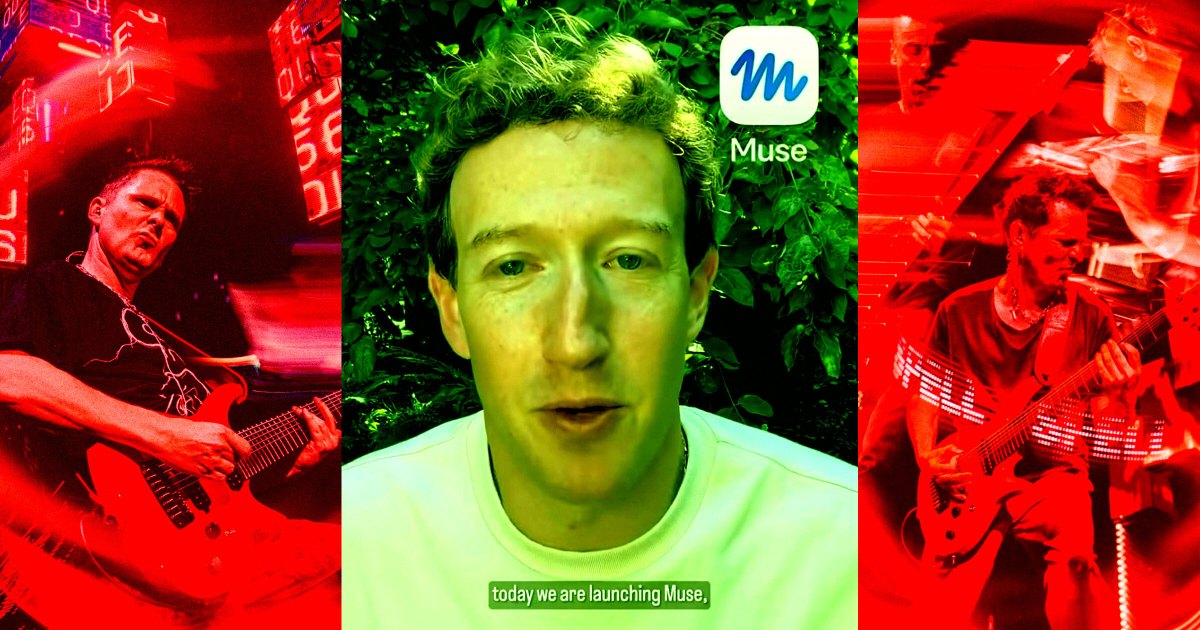
Meta retracted its Muse Image AI feature from Instagram and the Meta AI app just three days after its launch due to privacy concerns. The tool allowed users to generate AI images using photos from public Instagram accounts without explicit opt-in, prompting backlash from Hollywood unions and talent agencies. In response to the criticism, Meta acknowledged the feature missed the mark on user privacy and disabled it.

AI Research

Meta turns off the Instagram feature that let users make AI deepfakes of public accounts

Meta has disabled a recently introduced Instagram feature that allowed users to create AI-generated images using content from public accounts by tagging them. The feature faced significant criticism for enabling the use of individuals' likenesses without consent and raising concerns about misuse, such as sextortion. Prior to disabling it, Meta had provided an opt-out option, but backlash led to the feature's complete removal.

Music & Audio

AI Labels Could Be Coming to Music Streaming Platforms Soon

A coalition of music industry organizations, including the RIAA and IFPI, is urging streaming platforms like Spotify and Apple Music to implement standardized labels identifying songs created wholly or partially using AI. These labels aim to increase transparency for listeners without banning AI-generated music, similar to existing explicit content warnings. While Europe has regulations requiring disclosure of AI-generated content, the U.S. currently lacks such laws, leaving labeling decisions, 

Social Media

People on X Are Getting Fooled by the Dumbest AI Slop We’ve Ever Seen

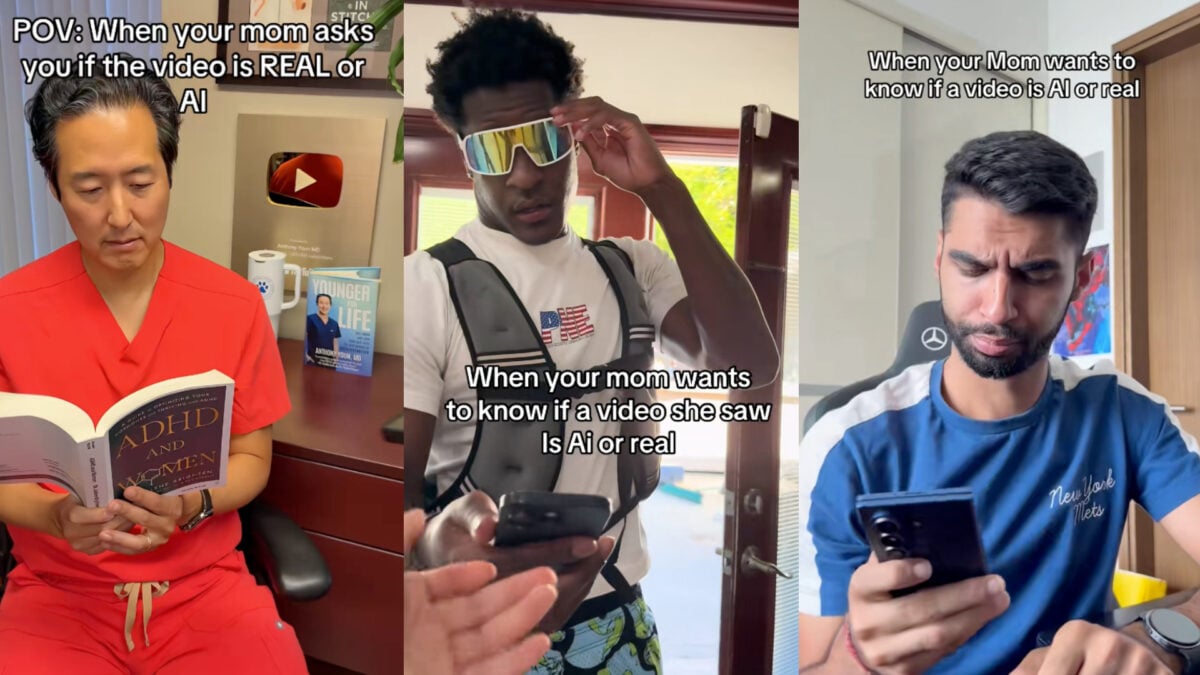
During the World Cup, numerous AI-generated images and videos with misleading or false soccer-related content have been widely shared on X (formerly Twitter), deceiving many users who take them as real. These AI creations often depict fabricated scenarios, such as fictional fan interactions and altered game events, contributing to misinformation on the platform. This trend highlights challenges in discerning genuine content amid AI-generated media on social networks.

Social Media

Meta’s Social Media Empire Is Under Siege. Its Plan for the Future Is to Watch You Even More Closely

Meta is facing significant legal challenges in Europe and the US over allegations that its social media platforms, Facebook and Instagram, use addictive design features that harm users, particularly teens. The European Commission has called for major changes to reduce addictive elements like infinite scroll and autoplay, while US states are seeking substantial penalties for alleged harm to young users. Meta disputes these claims but faces potential fines and regulatory actions that could impact其

Social Media

Instagram’s Adam Mosseri: If you don’t like AI, ‘then you shouldn’t have it in your feed’

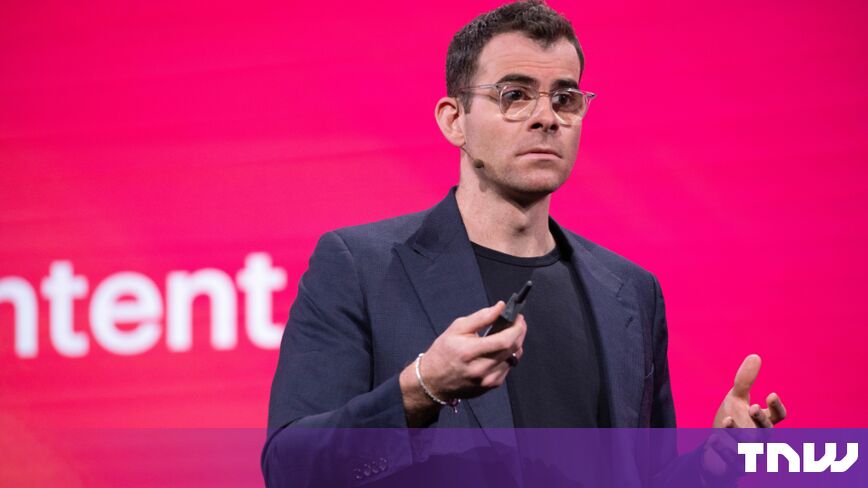
Instagram head Adam Mosseri stated that while the platform will label AI-generated content, it will not filter or ban such content from users' feeds. He emphasized that users who dislike AI content can avoid it, and those interested can have feeds focused on AI content. Mosseri also acknowledged challenges in detecting AI content and highlighted Instagram's ongoing efforts to manage spammy AI posts while embracing AI features like Meta's Muse Spark.

AI Research

Instagram’s AI image generator alarms privacy experts

Meta's new AI image generator, Muse Image, can create pictures using faces from public Instagram profiles by default, raising privacy concerns among advocates. Users must opt out via settings to prevent their photos from being used, but critics argue this opt-out is difficult to find and unfairly burdens users. Meta states that private accounts and users under 18 are excluded, but questions remain about the use of images featuring children in public posts.

AI Research

Google will now tell you if an ad was made with AI

Google has introduced a new label in its "My Ad Center" that indicates whether ads on Google Search, Discover, and YouTube were created or edited using AI. The label is applied automatically to ads made with Google's generative AI tools, while ads created with other AI tools require manual labeling by advertisers. This initiative aligns with similar transparency efforts by platforms like Meta and Google's previous measures to disclose synthetic content in political ads.